|
||||
|
||||
|
|
|
|
||||
|
Currency History:
GBR currency
until 1975-78; AUS
1978 > The only banknotes attributable to the Fanning and Washington Islands were issued during WWII For related issues see Kiribati; Fanning Island (Kiribati) currently uses the Australian Dollar as its currency. Signature: R.G.Garrett, Manager; Exchange ₤1 Australian = ₤1 Fanning Islands Plantations Circulated in Fanning and Washington Islands |
||||
|
||||
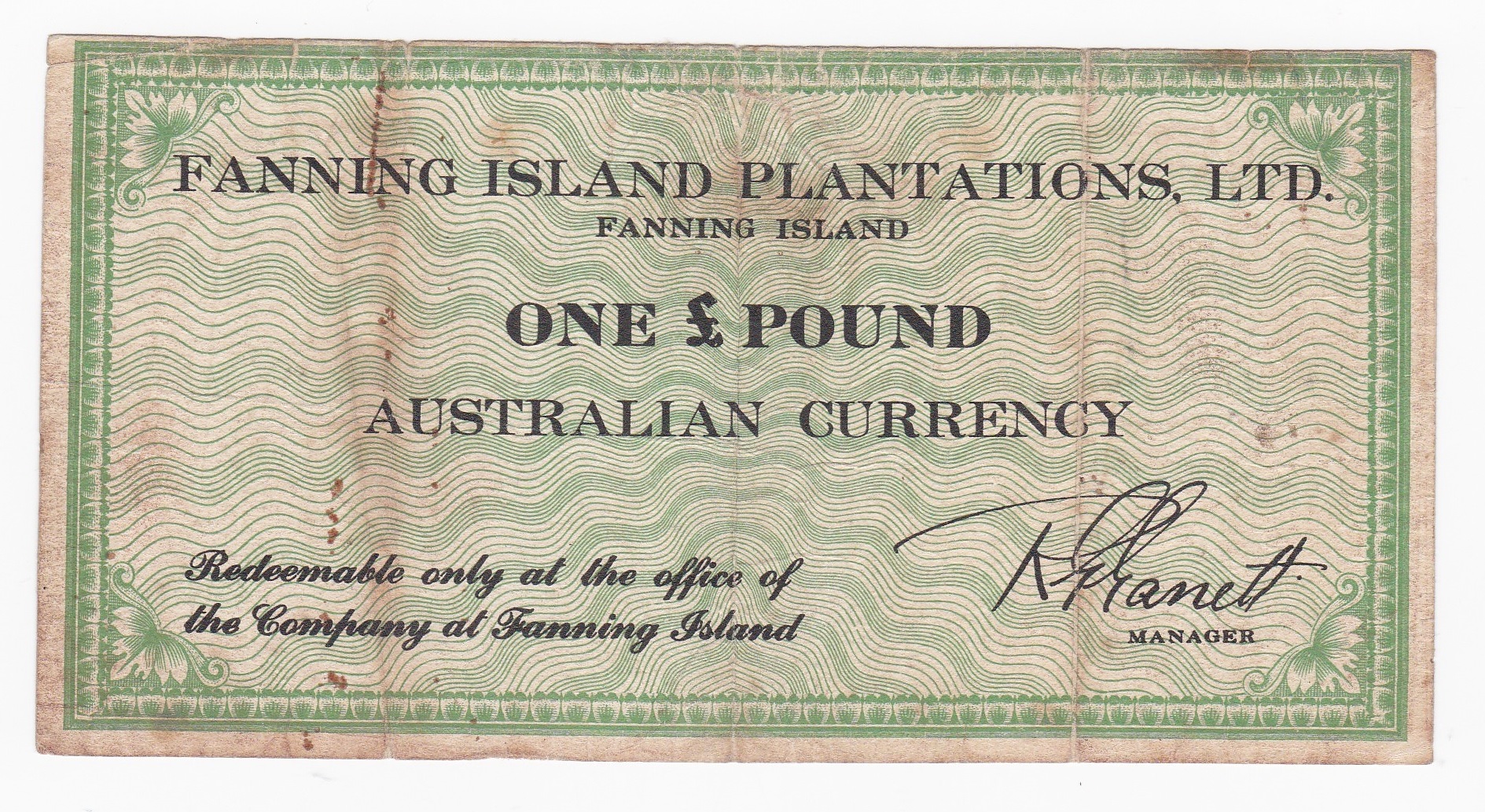 P.UNL, SB.1541a 1 Pound ND(1940's) No serial MT |
A used note with no serial number, Courtesy MT |
|||
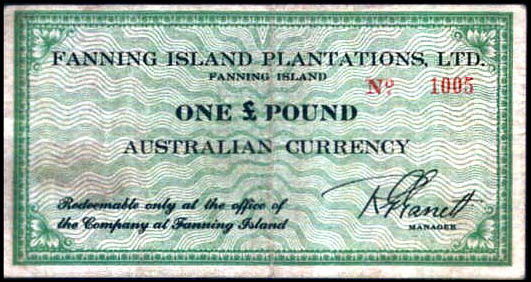 P.UNL, SB.1541a1 1 Pound ND(1940's) No.1005 JM |
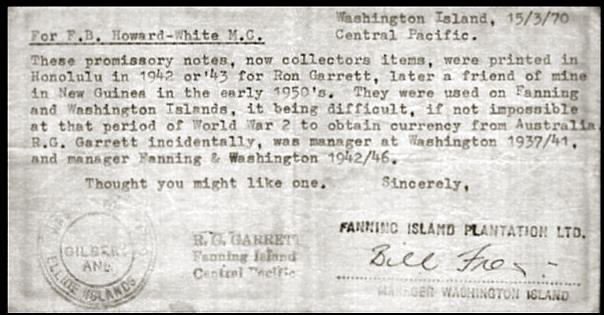 Back Sold for ₤195 in 2013 |
|||
 P.UNL, SB.1541a1 1 Pound ND(1940's) No.1333 |
 Back |
|||
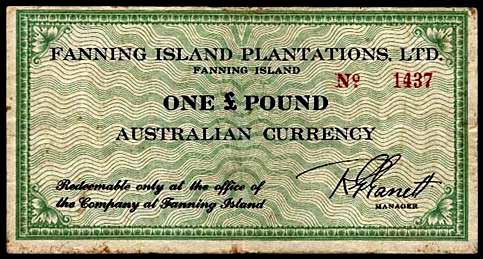 P.UNL, SB.1541a1 1 Pound ND(1940's) No.1437 LKCA |
Scan courtesy of: Lyn Knight Currency Auctions World Sale 6 -- Lot 131 12/19/2005 |
|||
 P.UNL, SB1541a1 1 Pound ND(1940's) No.1855 CL1 |
 Back |
|||
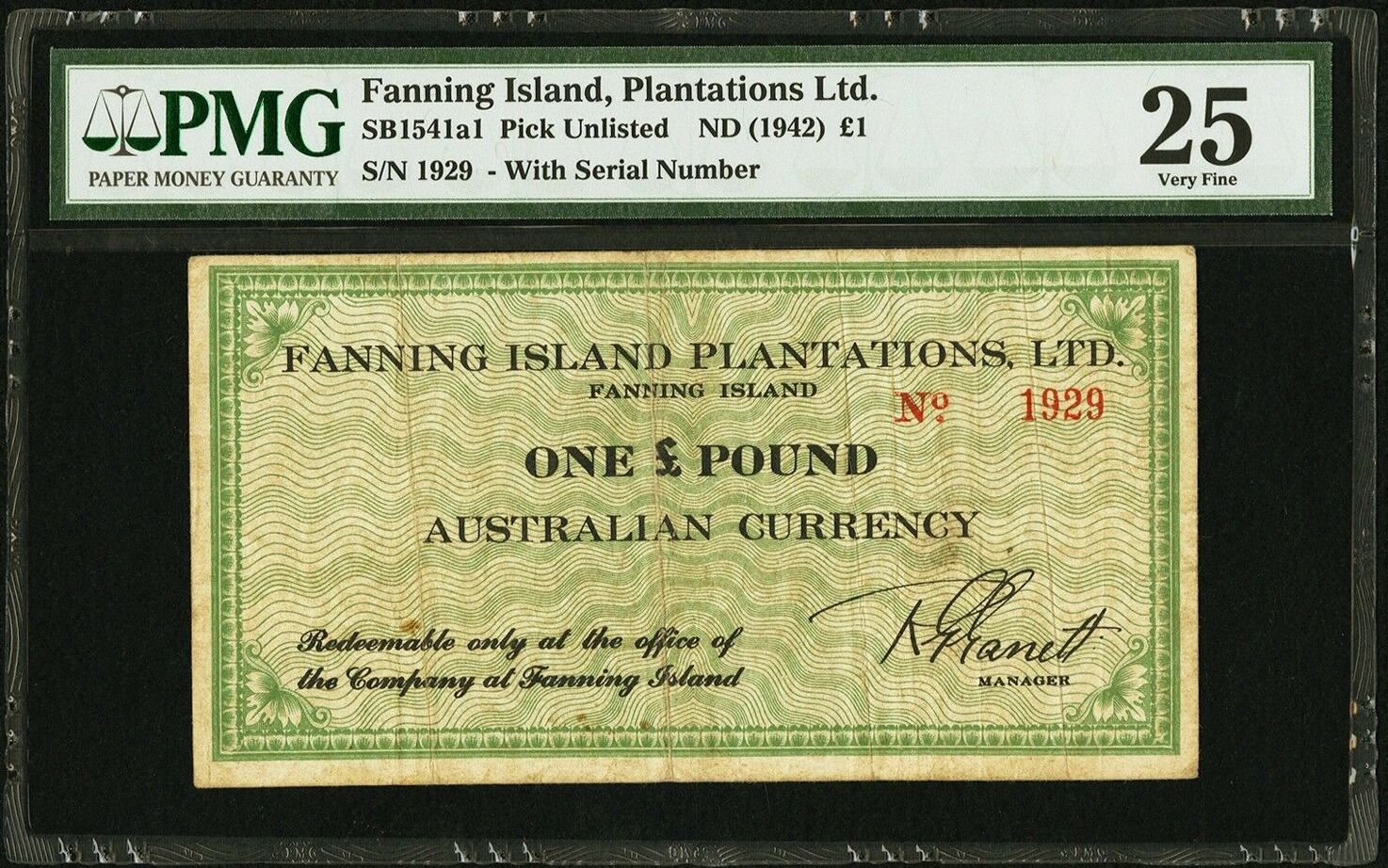 P.UNL, SB1541a1 1 Pound ND(1940's) No.1929 JM |
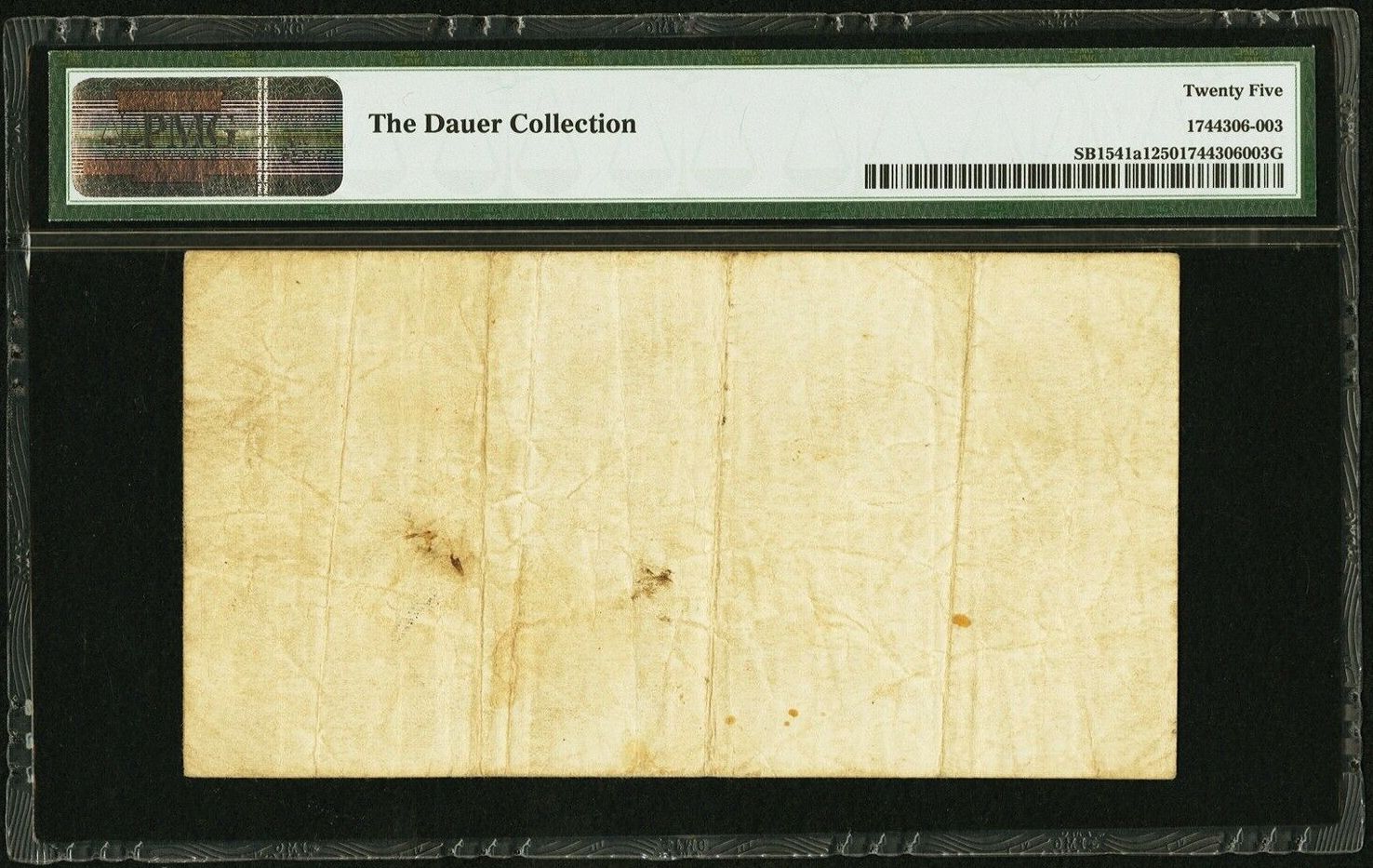 Back Drs. Joanne and Edward Dauer Collection |
|||
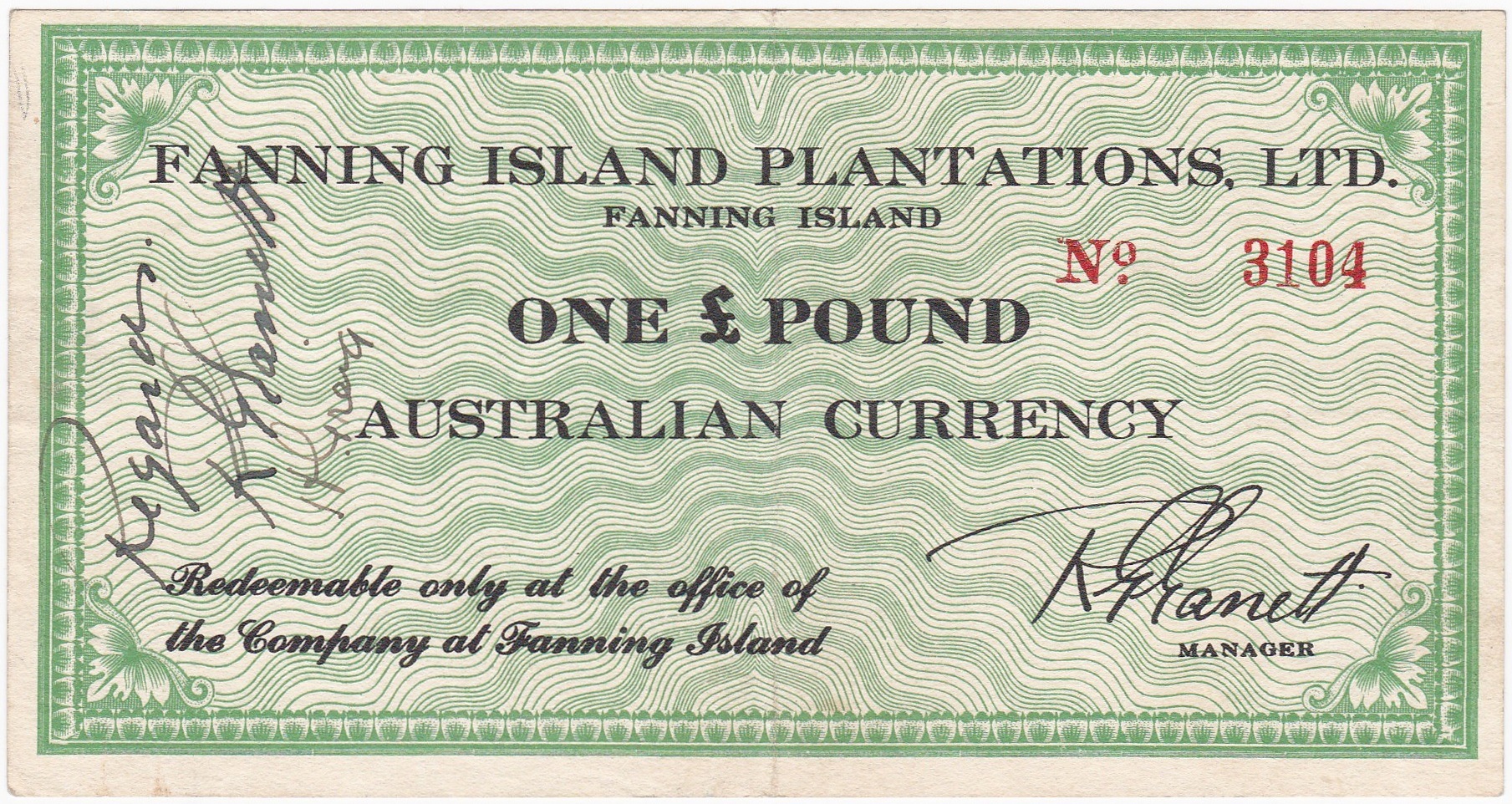 P.UNL, SB.1541a 1 Pound ND(1940's) No. 3104 MT |
Face of note is autographed by
Fanning Island Plantation Manager: R.G. Garrett. Courtesy MT |
|||
 P.UNL, SB.1541a1 1 Pound ND(1940's) No.3039 Fanning Short Snorter with USA $1 Hawaii Short Snorter attached THIS NOTE SOLD FOR $A2,350 on 8.3.2009 by www.iagauctions.com Anyone who can help identify the unit, please let us know. SNORTER PACIFIC 29 AUG 43 8000' Charles Hibaud? 1765 SW 12th Av Miami, FL Ed Strickby, Jack Pedee? PAA G.H.Castle, Martinus A. Liess?, P.S. Beck, Jack Hab... Dale Basq..., Bert Creighton?, Warren J. Moss D.W. Hant..., R.W. Bolkps? |
||||
 Back |
||||
|
||||
| ??? | Images Needed | |||
|
||||
 P.UNL, SB.1541b 1 Shilling |
 Back |
|||
|
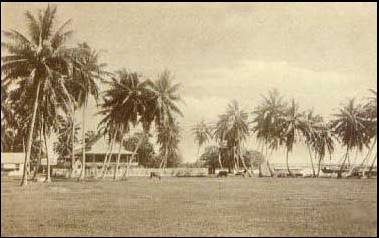
Fanning
Island, known locally as Tabuaeran, it is one of the main Line Islands
located about 1,600 miles east of Tarawa and about 150 miles north west of
Christmas Island, now part of
Kiribati.
The Station buildings, Pacific Cable Board, Fanning Island Kenneth P. Emory describes (in 1934 and 1939) stone ruins, adzes, a fishhook and other ethnological specimens found on Fanning Island. He concludes that the island was populated by people from Tonga about the 15th century. Captain Fanning's narrative of near shipwreck and his description of the island make good reading. Several whalers visited Fanning Island. One commanded by Captain Mather, called it American Island in 1814. An account of the island is given by Captain Legoarant de Tromelin, of the French corvette La Bayonnaise, which visited the island in 1828. At least four vessels arrived at Honolulu from Fanning between 1843 and 1853.
A short time prior to 1855, Captain Henry English, with 150 natives from
Manihiki (Humphries) Island, settled on Fanning and commenced the
production of coconut oil. He placed the island under British protection
when Captain W.H. Morshead visited it in H.M.S. Dido, October 16,
1855. Shipping records in The Friend, The Polynesian
About 1857, a whaling ship brought to
Fanning an Ayrshire Scotsman, William Greig. A short time later he was
joined by an American, George Bicknell. Both married native islanders.
Greig's wife was Teanau Atu (1842-1917), sister of the king of Manihiki.
Both men died on Fanning, Gr A firm, Fanning Island, Limited, was formed which operated Fanning and Washington Islands until 1935. Due to low price of copra, in that year it was sold to a subsidiary of Burns, Philip and Co., Ltd., operating under the name of Fanning Island Plantations, Ltd. According to shipping records in Honolulu, there was a guano digging boom on Fanning between 1877 and 1879, for ships of many flags sailed there to load guano. Some vessels were wrecked, such as the British barque Crosby, in 1879. In 1885 guano still was being shipped. But in 1887 lumber was taken there to make copra drying and storage sheds, and from then on copra was the chief industry on the island.
Fanning was formally annexed to Great
Britain by Captain William Wiseman, of
H.M.S. Caroline, March 15, 1888. A cable relay station was
established in 1902. This breaks the stretch from Bamfield, Vancouver
Island, to Suva; 3,300 miles,
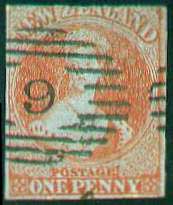
Many comforts are provided, such as radio, refrigeration, electric lights (from Diesel generators), a doctor, tennis court, library, even a branch of the New Zealand Savings Bank, to make pleasant the two year tours of duty of the cable station personnel and their wives, numbering about 20 white people. Storage tanks hold about 8,000 gallons of rain water, and well water also is reported to be both good and plentiful. In September, 1914, the German cruiser Nurnburg slipped up to Fanning, flying the French flag. They landed and wrecked the cable station, cut the cable, and destroyed a cache of spare instruments. With the assistance of Hugh Greig, who dived for the several ends of the cable, communication was re-established within two weeks. In 1939, it was reported that the island was being fortified against a repetition of this but the report was later denied, it being stated that an undefended island of purely commercial importance was safer. At English Harbour, headquarters of the copra plantation, there are 3 or 4 more white people and between 100 and 150 Gilbert Island workmen. It was reported in 1939 that 300 new Gilbertese recruits were being taken to Fanning. At that time, Fanning Island was administered from Ocean Island (Banaba) 1880 miles away, but there was a resident agent immediately in charge. New Zealand stamps had been used for postage. In 1859 English
entered into a partnership with William Greig and George Bicknell and
these three were joined by William Owens, owner of Washington Island, in
1860. Owens left the following year and English retired in 1864. Messrs.
Greig and Bicknell were confirmed as lawful owners of both Fanning and W Like Cocos, Fanning Island received a visit from the German Navy. On 7 September 1914 the cruiser SMS Nurnburg, accompanied by SMS Leipzig, approached Fanning Island, flying the French flag. Landing an armed party the Germans set about wrecking equipment and cutting the two cables. They also took 3000 gold sovereigns from the safe, used to pay the staff, plus £71 in stamps and cash from the Post Office. Shortly after this incident the Nurnburg was sunk, with all hands, in an engagement with the Royal Navy known as the Battle of the Falkland Islands. The decision to
land COMPAC at Hawaii instead of Fanning Island brought about the closure
of the cable station at the end of 1963. In 1964 it was taken over by the
Hawaiian Oceanographic Institute as a Pacific Equatorial Research
Laboratory for the study of Equatorial Currents.
|
||||||||||||||||||||||||||||||||||||||||||||||||||||||||||||||||||||||||||||||||||||||||||||||||||||||||||||||||||||||||
CL1
We
gratefully acknowledge the collector who submitted these images. If you
wish to contact that collector we will pass on your email.
LKCA
We gratefully
acknowledge Joel Shafer
of
Lyn Knight
Auctions for
this image.
JM
We gratefully acknowledge the J. Mulik of the Pacific Island Study Circle
who submitted these images.
MT
We gratefully
acknowledge MT for this image.
 |
SB Numbers World War II Remembered: History in Your Hands, a Numismatic Study 
C.Frederick Schwan, Joseph E. Boling BNR Press, ISBN 0-931960-40-1 ©1995 |



 cted
notes are rare with only about 33 pieces identified *. One of the reported
pieces, serial No.1437 has recently come on the auction block at
cted
notes are rare with only about 33 pieces identified *. One of the reported
pieces, serial No.1437 has recently come on the auction block at
 ,
and The Gazette (all published in Honolulu) give some idea of the
amount of coconut oil produced. In 1859 two vessels arrived at Honolulu
with 15,000 gallons; in 1860, one vessel with 10,000 gallons; 1861, three
vessels with 30,000 gallons; 1862, four vessels with 44,000 gallons; and
1863, four vessels with 10,800 gallons.
,
and The Gazette (all published in Honolulu) give some idea of the
amount of coconut oil produced. In 1859 two vessels arrived at Honolulu
with 15,000 gallons; in 1860, one vessel with 10,000 gallons; 1861, three
vessels with 30,000 gallons; 1862, four vessels with 44,000 gallons; and
1863, four vessels with 10,800 gallons. 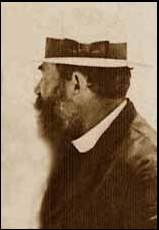 eig
on July 17 1892. The three sons of Greig remained on Fanning; but the
descendants of Bicknell gradually moved away. His heir sold his share of
Fanning and Washington Islands to a man in Suva, from whom it was acquired
by Father Emmanual Rougier.
eig
on July 17 1892. The three sons of Greig remained on Fanning; but the
descendants of Bicknell gradually moved away. His heir sold his share of
Fanning and Washington Islands to a man in Suva, from whom it was acquired
by Father Emmanual Rougier. 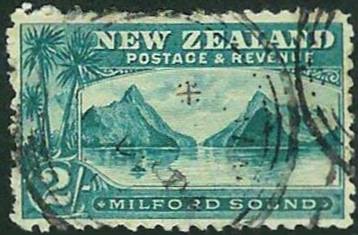 Bamfield
to Fanning; 2,200 miles, Fanning to Suva. Up to 1931, Union S.S. Co.
freighters stopped with supplies. Since then the island has been supplied
from Honolulu, the S.S. Dickenson
making quarterly trips.
Bamfield
to Fanning; 2,200 miles, Fanning to Suva. Up to 1931, Union S.S. Co.
freighters stopped with supplies. Since then the island has been supplied
from Honolulu, the S.S. Dickenson
making quarterly trips.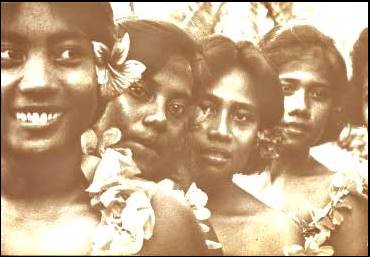 ashington
Islands by the British Consul in Honolulu on 2 September 1864. The Greig
Bicknell partnership lasted until 1906 when they sold out to Father
Rougier who in turn sold it on to Fanning Island Plantations Ltd., a Burns
Philp subsidiary.
ashington
Islands by the British Consul in Honolulu on 2 September 1864. The Greig
Bicknell partnership lasted until 1906 when they sold out to Father
Rougier who in turn sold it on to Fanning Island Plantations Ltd., a Burns
Philp subsidiary.

